Occupational Therapy Assistant to Occupational Therapy Doctor (OTA-to-OTD)
Have questions? We make it easy to get in touch:
Or, answer a few questions and we will be glad to help.
Loading...
Occupational Therapy Assistant to Occupational Therapy Doctor (OTA-to-OTD) Overview
Chatham University’s OTA-to-OTD bridge program is designed for licensed occupational therapy assistants who want to become occupational therapists. Applicants must hold an active OTA license, have at least one year of clinical experience, and hold a bachelor’s degree or complete one before beginning the program.
The 28-month occupational therapy assistant bridge program combines primarily online coursework with eight interactive weekend experiences on Chatham’s Pittsburgh campus. Students build on their professional experience while preparing for expanded opportunities in occupational therapy practice, leadership, advocacy, education, and program development.
Application Deadline
Rolling
Applications are reviewed on a rolling basis. Prospective students are encouraged to apply early to allow enough time to complete all required materials.
Did you know?
Designed for Working OTAs
The OTA-to-OTD program is designed for working adults. Students can complete fieldwork and the capstone requirement where they live and work.
Credits Required
99 credits
The hybrid OTA-to-OTD program requires 99 credits completed over seven terms. Students must hold a bachelor’s degree or complete one before the program begins.
Tuition Reduction
AOTA Members
All AOTA members who are currently practicing as an OTA can receive a 20% reduction in tuition costs for the duration of the program.
Information Sessions
Attend a virtual information session to learn more about Chatham’s OTA-to-OTD program. Monthly sessions give prospective students an opportunity to ask faculty about the hybrid format, curriculum, admission requirements, fieldwork, and student experience.
View OT Events : Checkerboard 1 - Information Sessions
Career Opportunities for Occupational Therapists
According to the U.S. Bureau of Labor Statistics, employment of occupational therapists is projected to grow 14% from 2024 to 2034, much faster than the average for all occupations. Approximately 10,200 openings are projected each year over the decade. Occupational therapists help people participate in everyday activities while adapting to injuries, illnesses, disabilities, or other conditions. For practicing OTAs, completing an occupational therapy doctorate can support the transition into a role with greater responsibility for evaluation, intervention planning, and occupational therapy services.
Hybrid Learning With Limited Campus Travel
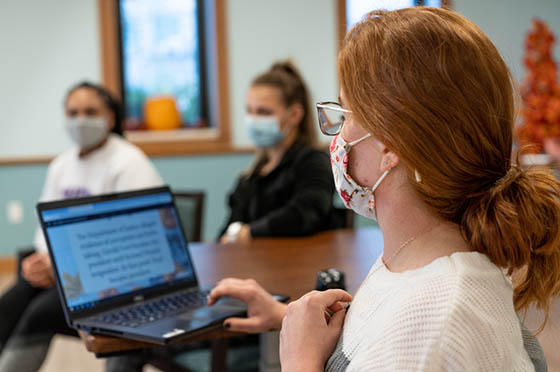
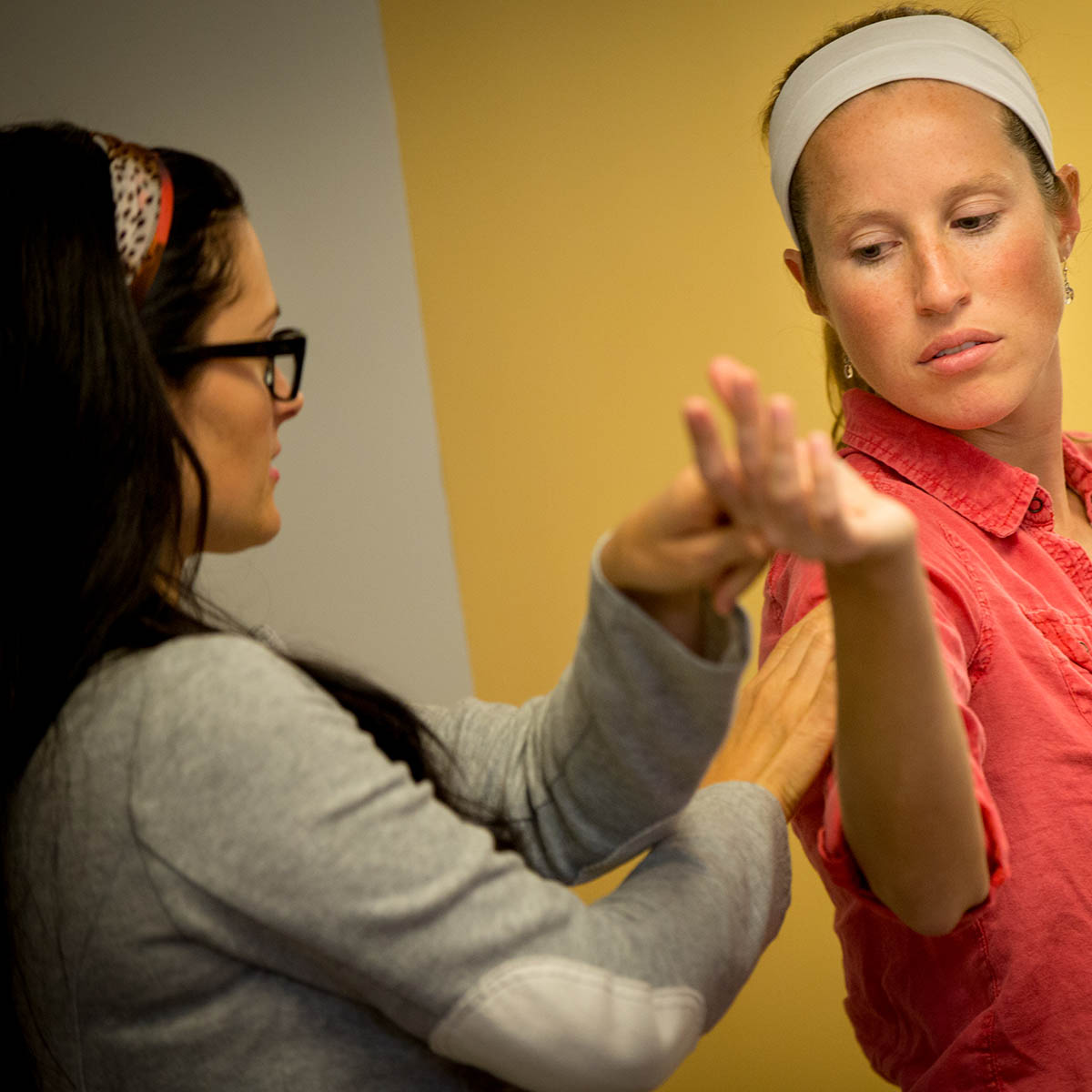
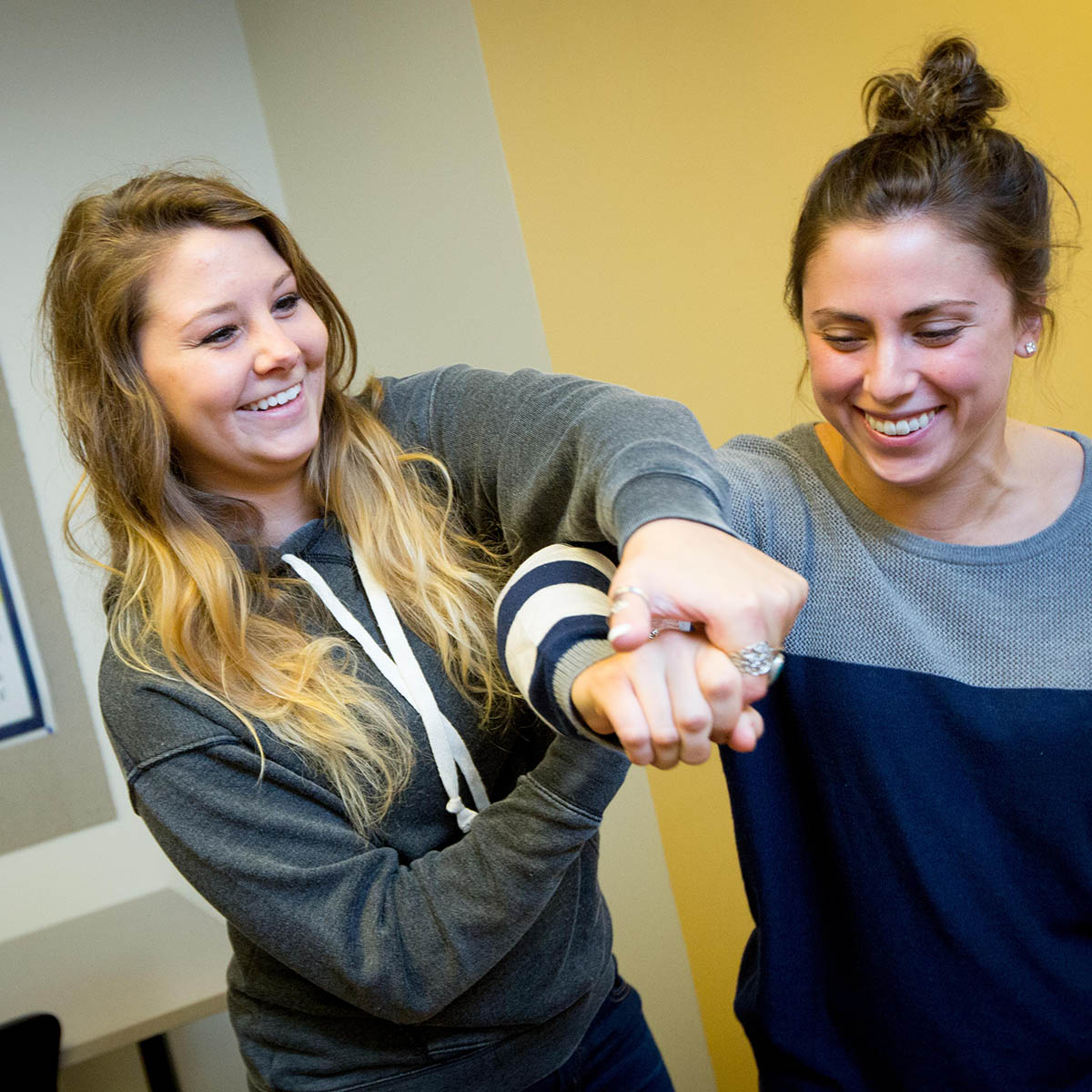
Chatham’s hybrid OTA-to-OTD program delivers most coursework online and includes eight weekend learning experiences at the University’s Pittsburgh campus. These in-person sessions provide opportunities for interactive labs, collaborative learning, and direct engagement with faculty and classmates. The low-residency format reduces the need for frequent campus travel while preserving the hands-on learning required for an occupational therapy assistant-to-occupational therapist bridge program.
Occupational Therapy Faculty and Mentors
Chatham’s occupational therapy faculty brings clinical, teaching, research, leadership, and fieldwork experience from a range of practice settings. Faculty members support students as they advance from occupational therapy assistant practice toward doctoral-level preparation and professional goals.
Meet the Faculty : Checkerboard 5 - Occupational Therapy Faculty and Mentors
Our OT Mission
The mission of Chatham’s occupational therapy program is to prepare and empower innovative, compassionate practitioners, scholars, and leaders who promote sustainable health and well-being among individuals, populations, and communities through the power of occupation.
Interprofessional Education (IPE)
Interprofessional education involves students from two or more health professions learning together during their training. The goal of IPE is to enhance communication and decision-making, allowing various domains of knowledge to complement each other.
Learn About IPE : Checkerboard 7 - Interprofessional Education (IPE)
SARA-Approved Participating Institution
Chatham University participates in the State Authorization Reciprocity Agreement (SARA), expanding access to its online coursework and fieldwork opportunities across participating states. Prospective students can review state availability and licensure information to understand how the program aligns with where they plan to study and practice.
SARA-Approved Institutions : Checkerboard 10 - SARA-Approved Participating Institution
NBCOT Exam Eligibility and Licensure
Chatham OTA-to-OTD graduates can sit for the National Board Certification in Occupational Therapy (NBCOT®) exam, which certifies them as an OTR®. State licensure is required by most states and is usually based on the results of the NBCOT® exam. Chatham’s OT Program results from the NBCOT® exam can be found online at https://www.nbcot.org/Educators-Folder/SchoolPerformance by searching for “Pennsylvania”, “OT Doctoral-Level Programs”.
Accreditation Status
Chatham University’s OTA-to-OTD Doctoral Degree Program is accredited by the Accreditation Council for Occupational Therapy Education (ACOTE®) of the American Occupational Therapy Association (AOTA). ACOTE is located at 7501 Wisconsin Avenue, Suite 510E, Bethesda, MD 20814. Its telephone number, c/o AOTA, is 301-652-AOTA.
Occupational Therapy, OTA-to-OTD